

Tesla Case Study — From Christmas Eve 2008 to the World's Most Valuable Carmaker
On the evening of December 24, 2008, Elon Musk sat in his office knowing he had run out of money. Tesla had been building its first car for five years. The global financial crisis had frozen lending markets. Musk had already invested his personal savings — over $40 million of his own money. He was essentially broke. On Christmas Eve, just hours before the holiday, a group of investors agreed to put in $40 million. Tesla survived — barely.
Fast forward to 2021: Tesla becomes the most valuable car company on Earth, worth more than Toyota, Ford, and General Motors combined. A company that was hours away from shutting down is now worth over $1 trillion dollars.
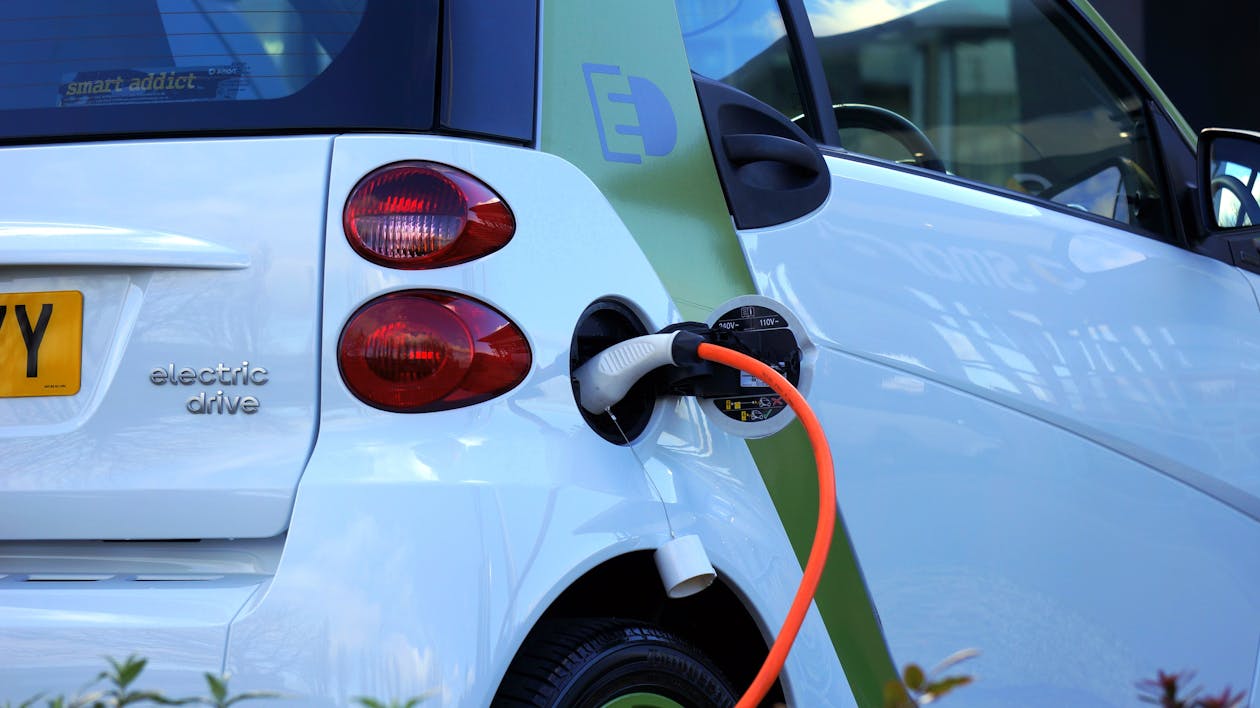
This case study explains exactly how Tesla did it — the strategic thinking, the near-death experiences, the manufacturing breakthroughs, and the lessons that apply far beyond automobiles to any business or career navigating a genuinely uncertain future.
What Is Tesla and Why Does It Matter?
Tesla is a company that makes electric cars — cars that run completely on batteries, with no petrol or diesel. It was started in 2003 in California, USA. Elon Musk joined as an investor and later became its CEO.
Electric cars are actually not a new idea. The very first cars built in the 1800s were electric. But over time, petrol cars took over because petrol was cheap and abundant. By 2003, most people thought electric cars were slow, ugly, and only good for short city trips.
Tesla's first car — the Roadster — went from 0 to 100 km/h in under 4 seconds. It looked like a sports car. It was completely electric. The world was shocked. Suddenly, electric cars were cool.
Why This Matters for India:
- India's government has set a target: 30% of all new vehicles sold by 2030 should be electric
- Tata Motors, Ola Electric, Ather Energy — major Indian EV companies — use ideas pioneered by Tesla
- Understanding Tesla's strategy is like reading the rulebook for the next decade of Indian transportation
| Feature | Petrol Car | Electric Car (Tesla) |
|---|---|---|
| Fuel | Petrol or Diesel | Electricity — charged at home or public stations |
| Engine | 100s of moving parts | Simple electric motor, near-zero maintenance |
| Sound | Engine noise and vibration | Near silent |
| Monthly Running Cost | Higher — petrol prices keep rising | Lower — electricity costs fraction of petrol |
| Software Updates | Visit service centre | Updates sent wirelessly overnight |
The Two Times Tesla Almost Died
Crisis #1 — Christmas Eve 2008: Zero Cash
In 2008, the whole world was going through a financial crisis — banks were failing, companies were shutting down. Tesla was in the middle of building its first car and had almost no money left.
Elon Musk had already put in his own personal savings — over $40 million of his own money. He was essentially broke. On the evening of December 24, just hours before Christmas, investors finally agreed to put in $40 million. Tesla survived.
The lesson: in startup survival, the last investor who says yes is worth as much as the first ten who said no.
Crisis #2 — 2018-19: The Production Hell Year
By 2018, Tesla had launched two successful luxury cars (Model S and Model X). Now they wanted to build the Model 3 — a car for ordinary families at around $35,000. This was their most important product ever. The problem: making thousands of cars per week is completely different from making hundreds.
Tesla's factory robots kept breaking down. Parts were being assembled by hand on the floor. Elon Musk literally slept at the factory for days. Simultaneously, the US Securities and Exchange Commission took legal action against Musk over a tweet. And a large number of investors were actively betting that Tesla would go bankrupt — the most shorted company in US stock market history.
But Tesla survived again. By end of 2019, they turned consistently profitable. Short sellers lost over $40 billion combined. Tesla's stock then rose by over 700% in 2020 alone — one of the greatest stock comebacks in history.
| Year | Key Event | Tesla Status |
|---|---|---|
| 2003 | Tesla founded in Silicon Valley | 2 engineers, no cars |
| 2008 | Christmas Eve survival; Roadster launches | Near-death; survival secured |
| 2012 | Model S wins every major car award | Luxury EV credibility established |
| 2016 | Gigafactory opens in Nevada | Battery production scales; costs fall |
| 2018 | Model 3 "Production Hell" | Nearly bankrupt again; SEC lawsuit |
| 2019 | Consistent profitability begins | Turned the corner |
| 2020 | Stock +700%; joins S&P 500 | Great turnaround complete |
| 2021 | Worth more than Toyota + Ford + GM combined | World's most valuable carmaker |
| 2023 | Cybertruck launch; FSD V12; 1.8M vehicles | AI and autonomous driving focus |
The Four Big Ideas That Made Tesla Win
Big Idea #1 — First Principles Thinking: Ask "Why?" Until You Hit the Bottom
Most people in business copy what others do. They hear "batteries are expensive" and accept it as a fact. Elon Musk asked: "But WHY are they expensive? What is a battery actually made of?"
A battery is made of metals like nickel, cobalt, and aluminium. At commodity market prices, these are not very expensive. So why were finished batteries costing $1,100 per kilowatt-hour in 2010?
Musk found the answer: the high cost was due to inefficient manufacturing processes and middlemen markup — not the actual materials. So Tesla built their own battery factory, cut out all middlemen, and started producing batteries far cheaper than anyone else.
| Battery Cost Per kWh | Amount |
|---|---|
| Industry Average 2010 | $1,100 / kWh |
| Industry Average 2016 | $600 / kWh |
| Tesla (Gigafactory) 2018 | $300 / kWh |
| Tesla 4680 Cell (2024) | <$100 / kWh target |
This 10x cost reduction is the single most important reason Tesla exists today. Without it, electric cars would have been too expensive for anyone but the ultra-wealthy.
Big Idea #2 — The Beachhead Strategy: Start Luxury, Move Mass Market
Tesla launched the Roadster at $109,000. The Model S at $89,000. The Model X at $79,000. Why start with expensive luxury cars?
Because you cannot build a cheaper product first. The Roadster taught Tesla to make electric cars at all. The Model S taught Tesla to make them beautiful and functional. Each expensive car funded the research, tooling, and manufacturing knowledge needed to build the next, cheaper model. The Model 3 at $35,000 could only exist because of the three luxury cars that came before.
This is the beachhead strategy: establish a premium position in a small market, use those profits to build capabilities for the mass market, then attack the mass market with those capabilities. Apple did the same with the original Macintosh. Amazon did the same with book sales.
Big Idea #3 — Software-Defined Cars: The iPhone Moment for Automobiles
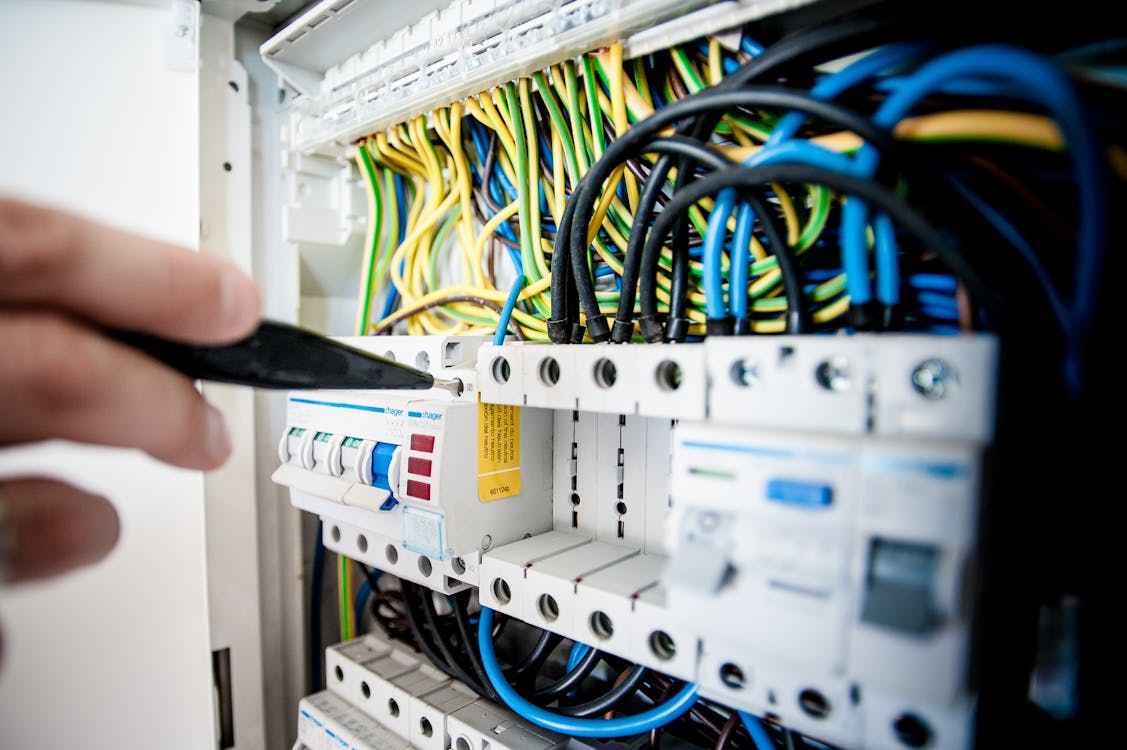
Every Tesla car is, in software terms, a computer on wheels. The hardware (motors, battery, body) is the platform. The software controls everything — and it updates automatically via the internet, just like your smartphone.
This creates something unprecedented in automotive history: a car that gets better over time. Tesla cars sold in 2017 received Autopilot capabilities in 2019 software updates — features that did not exist when the cars were manufactured. Traditional carmakers sell you a car that gets older every year. Tesla sells you a car that gets newer.
The software subscription model is Tesla's most significant long-term revenue opportunity. Full Self-Driving capability is sold as a software subscription — $12,000 purchase or $199/month. If 2 million Tesla owners subscribe, that is $4.8 billion in annual software revenue — on cars that were already sold years ago.
Big Idea #4 — Vertical Integration: Control Everything That Matters
Tesla manufactures its own battery cells (4680 cells). It designs its own chips. It runs its own global charging network (Supercharger). It sells directly to consumers — no dealerships. It services its own cars. It installs solar panels and home batteries.
This vertical integration costs more initially — building your own everything is expensive. But it creates control over quality, cost, and the customer experience that companies depending on suppliers cannot achieve.
The Supercharger network is particularly strategic: with 50,000+ chargers globally, Tesla has built an infrastructure advantage that took a decade to create and that competitors cannot replicate quickly. Every non-Tesla that uses the Supercharger network (now opening to other EVs) generates revenue for Tesla.
The Technology Stack — What Tesla Actually Built
Energy Products
Beyond cars, Tesla sells energy:
- Powerwall: Home battery storage — stores solar power for use at night
- Megapack: Large-scale energy storage for utilities and grid stabilisation
- Solar Roof: Solar tiles that look like regular roof shingles
Tesla's energy division is growing faster than its automotive division in revenue terms — and it is the business that most directly addresses climate change at scale.
Full Self-Driving (FSD)
Tesla's Full Self-Driving software is the most ambitious software project in automotive history — an attempt to train neural networks to drive cars in all conditions without human input. FSD V12 (launched 2024) uses end-to-end neural networks that learn to drive from watching human driving — the same basic approach used in large language models.
FSD generates recurring subscription revenue; it improves with every mile driven by every Tesla; and if it works, it enables Robotaxi services that could be worth more than the car business itself.
The Gigafactory Network
| Location | Purpose | Capacity |
|---|---|---|
| Nevada (Giga Nevada) | Battery cells + Model 3/Y parts | 35 GWh batteries/year |
| Shanghai (Giga Shanghai) | Model 3/Y for Asia | 750,000+ vehicles/year |
| Texas (Giga Texas) | Cybertruck + Model Y | 500,000 vehicles/year |
| Berlin (Giga Berlin) | Model Y for Europe | 375,000 vehicles/year |

Tesla's Financial Journey
| Year | Revenue | Net Income | Vehicles Delivered |
|---|---|---|---|
| 2012 | $0.2B | −$0.4B | 2,650 |
| 2017 | $11.8B | −$2.0B | 103,020 |
| 2019 | $24.6B | −$0.9B | 367,500 |
| 2021 | $53.8B | +$5.5B | 936,222 |
| 2022 | $81.5B | +$12.6B | 1,313,851 |
| 2023 | $97.7B | +$15.0B | 1,808,581 |
Key Takeaways
1. First principles thinking — questioning every assumption — is the most powerful tool for building things that don't yet exist. Tesla's battery cost reduction was only possible because Musk refused to accept "batteries are expensive" as an immutable fact.
2. The beachhead strategy allows premium-funded capability building. Tesla could not have built the $35,000 Model 3 without the lessons, profits, and manufacturing capabilities from the $89,000 Model S. Every mass-market product depends on the premium product that preceded it.
3. Software creates value after the hardware is sold. Tesla cars get better every year through software updates. The recurring subscription model for FSD represents a revenue opportunity that traditional carmakers — who sell cars once — cannot replicate without fundamental business model change.
4. Infrastructure advantages compound over decades. Tesla's Supercharger network took ten years and billions of dollars to build. It is now a competitive advantage that no competitor can acquire quickly — and it generates revenue from every non-Tesla that uses it.
5. Near-death experiences, survived with conviction, can create unbreakable organisational culture. Tesla's two near-bankruptcy experiences — Christmas Eve 2008 and the 2018-19 production hell — created a shared identity around the mission of accelerating the world's transition to sustainable energy. That mission-driven culture attracts talent that a conventional automotive company cannot.
Tesla's story is not primarily about electric cars. It is about what happens when a company combines first-principles thinking, mission-driven culture, vertical integration discipline, and software-era business model innovation — and is willing to nearly die twice before any of it pays off.